
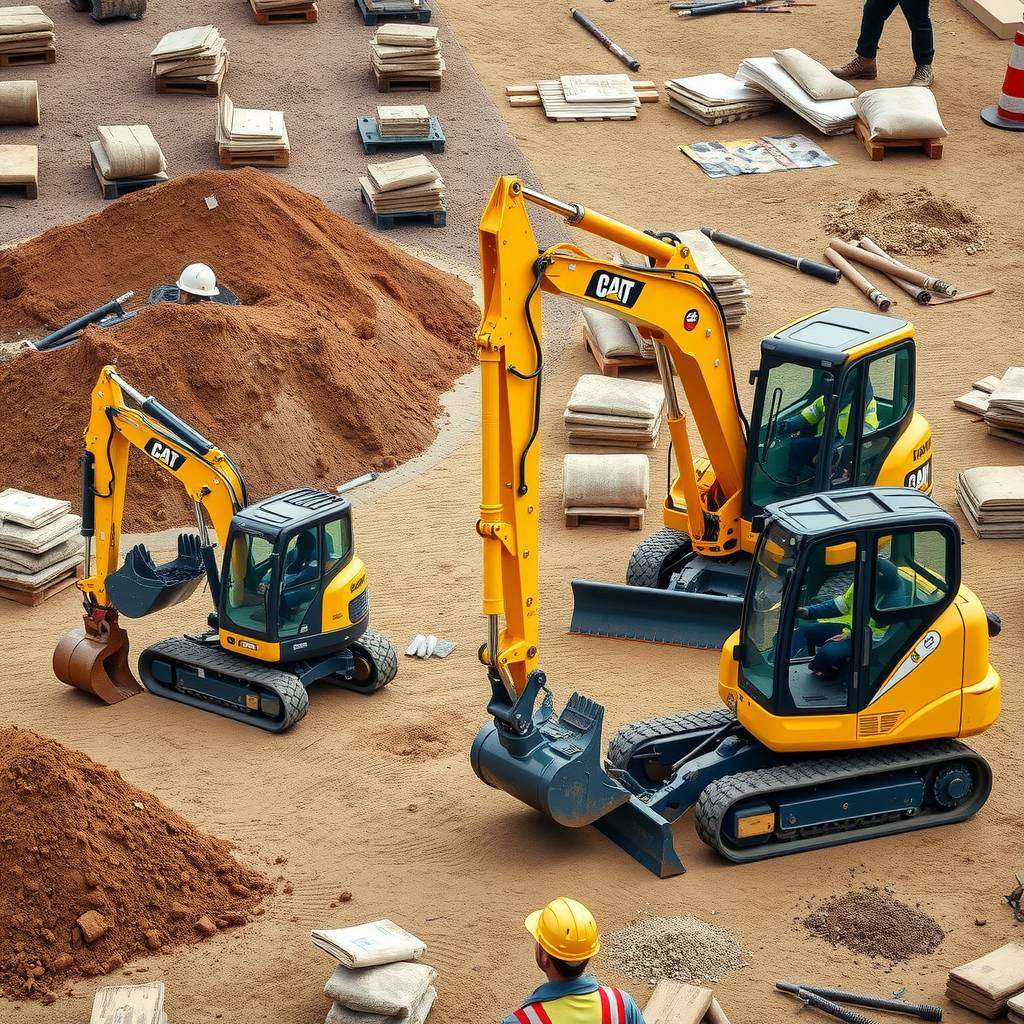
When it comes to excavation work, choosing the right machinery can significantly impact the efficiency and cost-effectiveness of your project. Among the myriad of options available, mini diggers and traditional excavators often stand out as two popular choices. Each has its intrinsic advantages and is suited to various tasks, making the decision between the two crucial for construction professionals. In this article, we will delve into the features and benefits of both mini diggers and traditional excavators, helping you determine which is right for your specific needs.
Mini diggers are essential for any construction project, offering versatility and efficiency in tight spaces. Ideal for landscaping, excavation, and digging tasks, they simplify operations and enhance productivity. To learn more about renting mini diggers, explore this course: https://atleisurelicense.com/course/ma-short-term-rental-permit-online-course-mini-excavator.
Looking for efficient solutions for small-scale construction projects? Our mini diggers offer the perfect balance of power and maneuverability, making them ideal for tight spaces. Easy to operate and versatile, these machines can handle various tasks with ease. Discover our range of mini diggers and learn more at https://yanmarce.com/mini-excavators/.
When it comes to construction projects, mini diggers are essential for efficient digging and excavation in tight spaces. These compact machines provide incredible power and versatility, making them ideal for urban sites or residential landscaping. For more information on renting or purchasing mini diggers, check out our dedicated page here: https://www.equipmentshare.com/rent/equipment-classes/mini-excavator-7000-9000-lbs.
Understanding Mini Diggers
Mini diggers, also known as mini excavators, have surged in popularity over the last decade, thanks to their compact size and versatility. These machines are ideal for small to medium-scale projects where space is limited. Often weighing between 0.8 to 5 tonnes, mini diggers are capable of performing various tasks, including digging, trenching, and material handling, making them an invaluable asset in urban construction sites, landscaping, and residential projects.
One of the key benefits of mini diggers is their manoeuvrability. With a small footprint, they can easily navigate tight spots where larger traditional excavators would struggle. This adaptability is particularly beneficial in crowded job sites, where precision is paramount. Furthermore, many models come equipped with various attachments, allowing operators to switch between tasks seamlessly—whether it’s grading, drilling, or lift operations.
For businesses considering investment, there are a range of mini diggers for sale, including both new and used mini diggers. Opting for a used mini digger can provide substantial cost savings while still delivering efficient performance.
If you’re looking for efficient and compact solutions for your construction projects, mini diggers are the perfect choice. These versatile machines can navigate tight spaces while delivering powerful performance for various tasks. Whether you need to dig trenches, lift heavy materials, or excavate foundations, mini diggers provide exceptional agility and reliability. Discover our extensive range of mini diggers for sale and rent at https://www.sjhallplant.com.
The Case for Traditional Excavators
Traditional excavators, typically larger and heavier than mini diggers, are built for more extensive projects that require greater digging depth and lifting capabilities. Ranging between 5 to over 50 tonnes, these excavators excel in heavy-duty construction, earth-moving, and demolition tasks. Their robust construction and larger buckets allow for significant material removal, making them ideal for large-scale infrastructure projects.
One of the primary advantages of traditional excavators is their power and performance. They can handle more demanding tasks, such as digging foundations, quarrying, and large earth-moving projects. Traditional excavators typically come with hydraulic systems that can accommodate various attachments—such as breakers, grapples, and augers—further enhancing their versatility. This ability to scale up their attachments often makes them the go-to choice for contractors engaged in extensive construction undertakings.
However, the larger size of traditional excavators poses challenges in restricted workspaces. In urban environments or residential areas where space is a premium, there may be limitations regarding access and manoeuvrability that can impede efficiency.
Cost Considerations
When evaluating the cost, it is essential to consider the purchase price and running costs associated with mini diggers and traditional excavators. Mini diggers tend to be more affordable to buy or rent, making them a popular option for small contractors and DIY projects. Their fuel efficiency and lower maintenance costs further enhance their economic viability.
Conversely, purchasing a traditional excavator requires a larger capital investment. However, for projects that demand higher power and efficiency, the speed and capability of traditional excavators can justify the increased expense. When browsing traditional excavators for sale, contractors should assess their long-term project requirements to ensure they are making a prudent investment.
Versatile Applications
The choice between a mini digger and a traditional excavator also hinges on the specific applications you envision for your machinery. Mini diggers are well-suited for landscaping, small trenching work, utility installation, and residential projects, where they can effectively work in confined spaces. Their ability to perform precise excavations with minimal disturbance to the surrounding earth makes them ideal for delicate operations.
On the other hand, traditional excavators are often used for large construction sites, road building, and heavy site preparation. Their impressive digging reach and lifting capacity render them suitable for tasks that require moving large volumes of soil or heavy-duty materials. The range of available attachments enhances their capabilities further, allowing them to take on diverse construction challenges.
Operator Skills and Training
Finally, the skill level and training of the operator can greatly affect the choice between mini diggers and traditional excavators. Mini diggers can be easier to operate, making them more accessible to novice operators. Many models feature user-friendly controls, which can lead to quicker learning times and increased productivity for tasks requiring precision.
Traditional excavators may require experienced operators who are well-versed in managing their power and complexity. With greater size and capability comes a need for more intricate handling skills, and operators may need to undergo training to ensure safety and efficiency during operation.
In summary, whether you opt for a mini digger or a traditional excavator should be dictated by the nature of your project, budget considerations, and the operational expertise available to you. Both machinery types offer unique advantages and cater to different aspects of the excavation landscape, making it vital to assess your specific requirements before making a decision.