
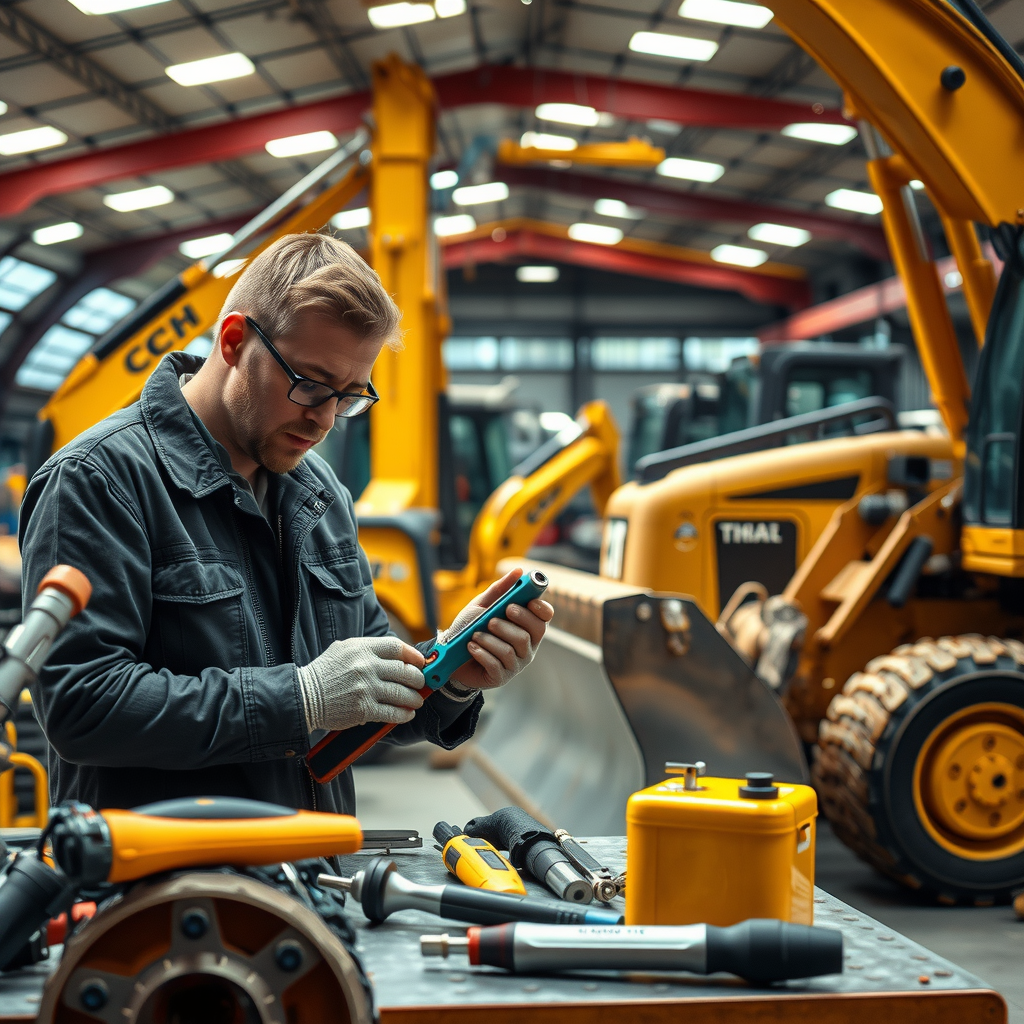
Plant machinery represents a significant investment for construction businesses, making it imperative to ensure that your equipment remains in peak condition for as long as possible. Regular maintenance not only prolongs the lifespan of your machinery but also enhances its performance, minimises downtime, and ensures compliance with safety regulations. This article outlines essential maintenance tips tailored for your plant equipment, ensuring you get the most out of your investment.
Understand Your Machinery
Different types of plant and machinery require specific maintenance strategies. Familiarise yourself with the equipment you own or intend to buy. Whether investing in new or second hand plant machinery, understanding the manufacturer’s guidelines will help you determine the appropriate maintenance schedule and practices. Key components to consider include:
- Operating manual: Always refer to the manufacturer’s operating manual for detailed maintenance instructions specific to your model.
- Service intervals: Note recommended service intervals to keep your machine running efficiently.
Regular Inspections
Routine inspections are crucial to identifying potential issues before they escalate into major problems. Develop a daily or weekly inspection checklist that includes checking for:
- Fluid levels: Regularly check oil, coolant, and hydraulic fluid levels to ensure optimal function.
- Belts and hoses: Inspect for signs of wear, cracks, or leaks that could hinder performance.
- Battery condition: A vital component of your machinery, ensure it is clean and free of corrosion.
Implementing scheduled inspections will not only help maintain machinery health but may also reduce the need for used plant machinery sales due to unplanned breakdowns.
Keep It Clean
Dirt and debris can notoriously shorten the lifespan of your plant equipment. Regular cleaning is essential to preventing the build-up of harmful materials that can affect performance.
- Exterior cleaning: Use a pressure washer to clean the machine’s exterior, ensuring that it is free from mud, concrete, and other debris.
- Interior cleaning: Clear out the cockpit, cab, and engine compartment to maintain visibility and reduce fire hazards.
- Filter changes: Change air, oil, and fuel filters as per the manufacturer’s guidelines to keep the engine running smoothly.
Proper Lubrication
Lubrication is critical for reducing friction between moving parts in machinery and ensuring efficient operation. Neglecting this can lead to premature wear and costly repairs.
- Grease points: Identify all grease points on your plant machinery and apply the appropriate lubricant at regular intervals.
- Use quality lubricants: Invest in high-quality oils and greases compatible with your equipment to maximise efficiency.
Monitor Performance
Monitoring the performance of your plant and machinery helps to spot any deviations from normal operation. Signs of trouble can include:
- Unusual noises: Listen for odd sounds during operation, which could indicate issues such as bearing failure or mechanical malfunction.
- Vibrations: Excessive vibrations may signify misalignment or wear in components.
- Decreased efficiency: If you notice a drop in performance, investigate promptly.
Employing technologies like telematics can provide real-time data that aids in monitoring machinery performance.
Investing in high-quality plant machinery is essential for efficient construction projects. At SJ Hall, we offer a wide range of reliable equipment for sale and rental. Discover more about our products at https://www.sjhallplant.com.
Seasonal Maintenance
Seasonal changes can impact machinery performance and safety. Tailor your maintenance efforts to prepare for varying weather conditions. In winter and rainy seasons, consider:
- Draining fluids: Remove any potentially harmful fluids that can freeze and expand, causing damage.
- Antifreeze checks: Ensure that your coolant system is optimal to prevent freezing.
- Tyres and tracks: Inspect for adequate tread depth and cleanliness to ensure safe operation on slippery terrains.
Training and Safety
One of the most effective ways to extend the lifespan of your plant machinery is by ensuring that operators are well trained. Investing in proper training will reduce human error, improve safety, and enhance machinery handling. Key training components should include:
- Operating procedures: Ensure all operators are familiar with the correct procedures for starting, operating, and shutting down machinery.
- Safety checks: Encourage operators to perform pre-use safety checks to catch any issues early.
Keep Spare Parts Handy
Having a stock of essential spare parts available can save time and minimise downtime when repairs are needed. Maintain an inventory of parts that are frequently required for your specific machinery models, such as filters, belts, and hydraulic hoses. This proactive approach enables rapid repairs and reduces reliance on second hand plant machinery when an immediate replacement is needed.
Document Everything
Keep a detailed maintenance log for each piece of plant machinery. Record service dates, inspections, repairs, and replacements, which can help in:
- Assessing performance: Reviewing past maintenance can reveal patterns that indicate when major repairs might be necessary.
- Resale value: A well-documented maintenance history can enhance the resale value of your machinery if you ever decide to explore plant and machinery sales.
By adhering to these maintenance tips, you can significantly extend the lifespan of your plant equipment, optimise its performance, and safeguard your investment in the long run. Investing in quality tools, regular inspections, and thorough training of operators will ultimately lead to more efficient operations and considerable savings in the management of plant and machinery.