When embarking on a construction project, one of the pivotal decisions you face is whether to rent or purchase plant machinery. This choice can greatly affect your project’s budget, efficiency, and overall success. With the myriad of options available, understanding the nuances of plant machinery rentals and purchases can help you make an informed decision tailored to your specific needs. In this article, we will explore the advantages and disadvantages of both options and provide insights into the best choice for your business.
Advantages of Renting Plant Machinery
Renting plant machinery, particularly for short-term projects or specialised tasks, offers several compelling benefits.
Cost-Effectiveness
When you choose to rent, you eliminate the hefty initial investment associated with purchasing new plant equipment. This can be particularly advantageous for businesses that are just starting out or those that handle projects on a fluctuating basis. By renting, you can free up capital for other essential expenses such as labour, materials, or additional machinery.
Discover top-quality plant machinery for all your construction needs at sjhallplant.com. Our extensive selection ensures you find the perfect equipment to boost productivity and efficiency on your job site. Contact us today!
Flexibility and Variety
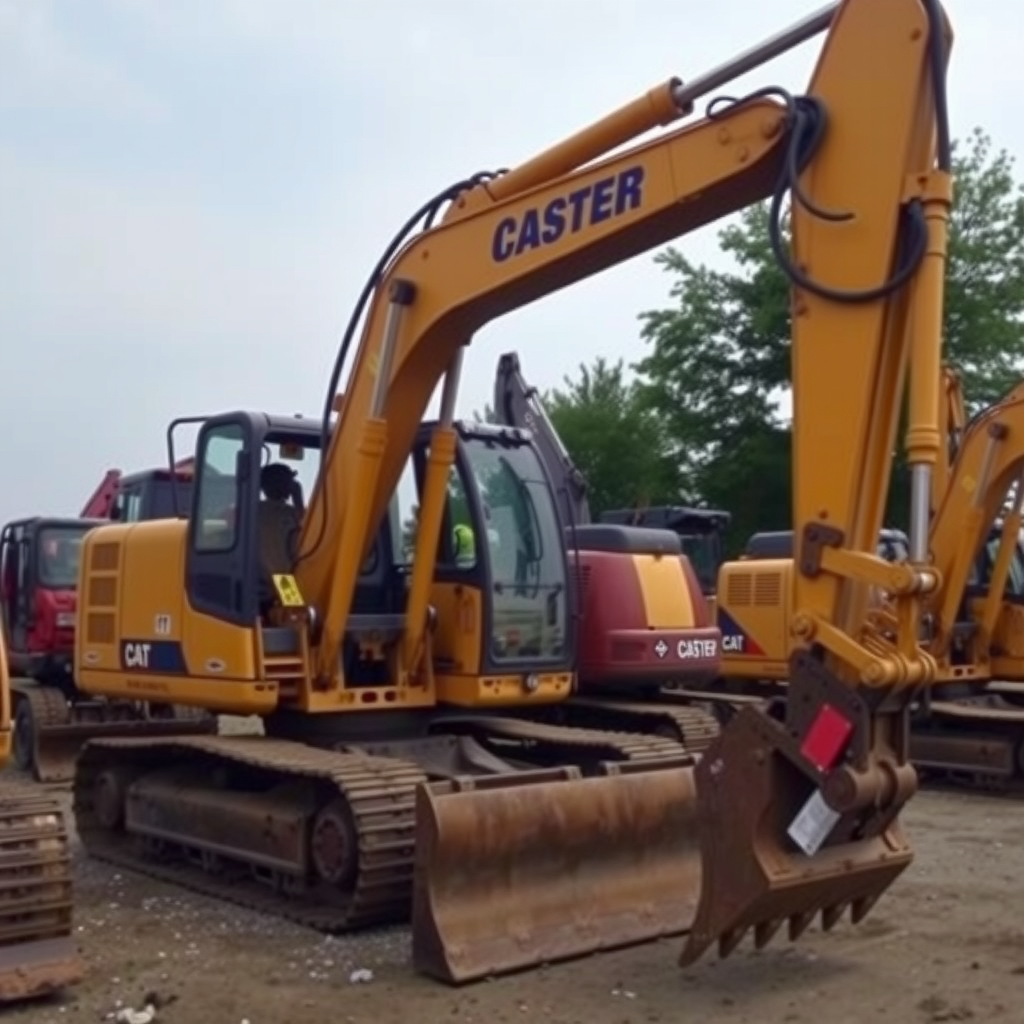
The plant and machinery rental market is vast, offering a diverse selection of equipment. Whether you need an excavator for a week or a scissor lift for a few days, renting allows you to access the latest models and technologies without committing to long-term ownership. Furthermore, as your needs change, you can easily swap out equipment to better suit different phases of your projects. This flexibility is especially beneficial if you’re managing multiple projects simultaneously or if the specifications of your work change over time.
Minimal Maintenance Responsibility
Renting plant machinery means you’re not responsible for maintenance costs. The rental company typically covers regular servicing and repairs, ensuring that the equipment remains in top condition. This not only saves you money but also alleviates the burden of managing maintenance schedules and unexpected breakdowns, allowing you to focus on your project instead.
Disadvantages of Renting Plant Machinery
While rental options provide numerous benefits, they also come with some challenges that businesses must consider.
Long-Term Cost Implications
For long-term projects or ongoing operations, renting plant machinery may become more expensive over time compared to purchasing. If you repeatedly rent the same type of equipment for extended periods, the costs can quickly add up and surpass the initial outlay required for buying second-hand plant machinery.
Limited Availability During Peak Seasons
If you’re working in a busy season when demand for plant machinery spikes, you might encounter availability issues with rented equipment. This can lead to project delays or increased rental costs if you need to opt for higher-tier models due to the unavailability of your desired machinery. Having your own equipment can give you more control and assurance of having the necessary tools on hand when you need them.
Advantages of Purchasing Plant Machinery
Buying plant machinery can also offer significant advantages for businesses involved in construction.
Asset Investment
Owning machinery is an investment that can appreciate over time, particularly when you opt for high-quality, used plant equipment. This equipment can later be sold or traded in, contributing to your company’s asset portfolio. Additionally, used plant sales in the UK have shown that well-maintained equipment can retain good resale value, offering you a return on your investment.
Control Over Equipment
When you purchase plant equipment, you have complete control over its use and management. You can customise or upgrade the machinery as needed, and it is always available for your immediate requirements without concern for scheduling conflicts associated with rentals. This autonomy can significantly improve operational efficiency and productivity, especially for businesses engaged in regular construction work.
Familiarity and Consistency
Owning your own plant machinery means that your operators will become accustomed to specific models and functionalities. This familiarity can reduce training time, increase safety standards, and ultimately lead to more efficient workflows on site. You can also maintain your equipment according to your preferences and standards, ensuring it always meets your operational demands.
Disadvantages of Purchasing Plant Machinery
However, purchasing plant machinery is not without its drawbacks.
Upfront Costs and Depreciation
The primary disadvantage of buying machinery is the significant initial financial outlay. Depending on the equipment, this cost can be substantial. Additionally, machinery typically depreciates over time, which can lead to a loss in value, particularly if market conditions change or new technology emerges.
Maintenance and Operational Costs
Owning plant machinery comes with the ongoing responsibility of maintenance, repairs, and potential upgrades. These ongoing costs can be challenging to budget for, particularly if unexpected issues arise. It’s crucial to factor these potential expenses into the financial planning of your projects.
Engaging in a thoughtful analysis of both plant machinery rentals and purchases can help you determine the best option based on your specific circumstances. Whether you choose to rent or purchase, understanding the benefits and challenges associated with each will enable you to optimise your construction projects effectively.