
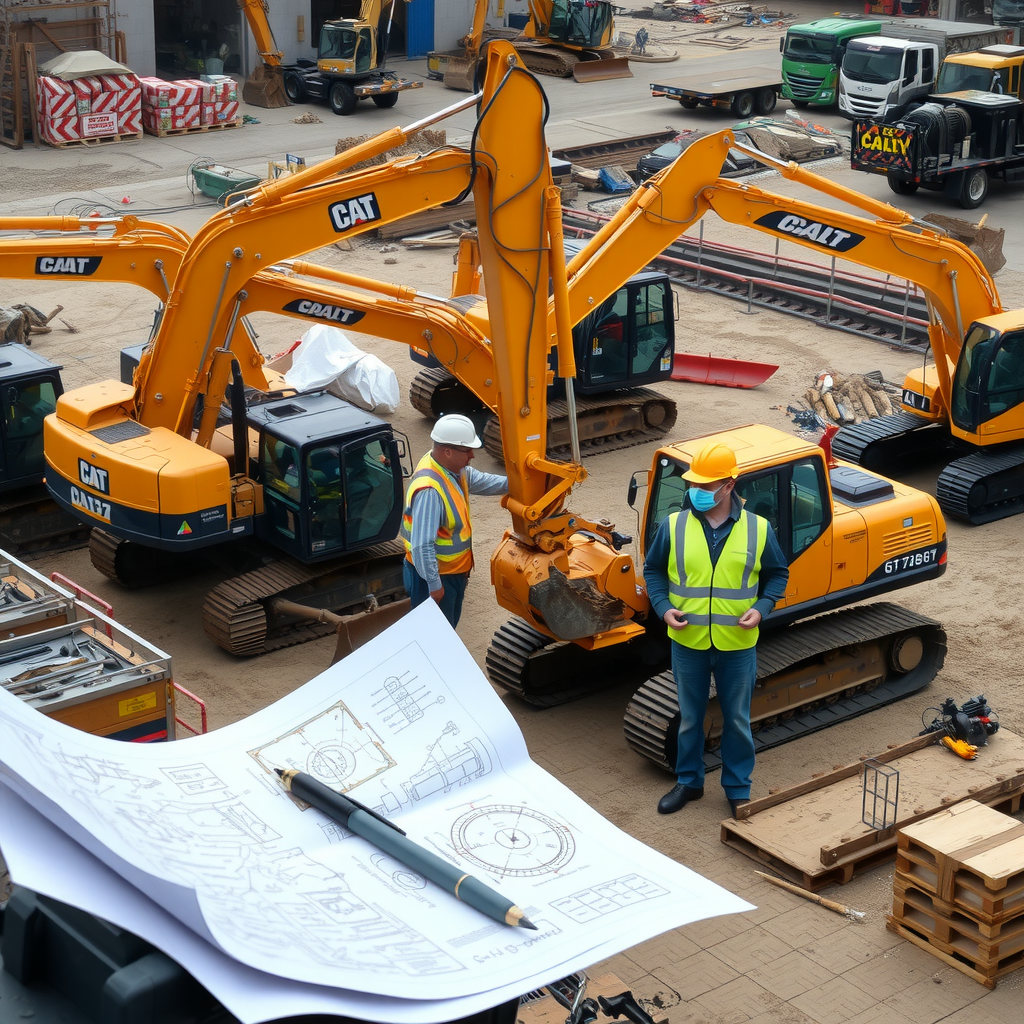
Selecting the right excavator is a crucial decision for contractors and builders aiming to streamline their construction projects. Whether you’re considering new models or exploring the market for used options, understanding the key factors in making your choice can significantly impact performance, efficiency, and cost. This comprehensive buying guide will help demystify the process and empower you to choose the best excavator for your specific needs.
Excavators play an essential role in various construction tasks, from digging trenches and lifting heavy loads to demolition and landscaping. With so many excavators for sale, including conventional units and used mini excavators, it’s vital to analyse your requirements and budget before making an investment. This guide will provide you with all the insights necessary to make an informed decision.
Understand Your Excavation Needs
Before diving into the world of excavators for sale, it’s essential to assess the specific tasks you intend to perform with the machinery. Different models have unique capabilities designed for various applications, so identifying your excavation needs is the first step in your decision-making process.
Consider the scope of your projects. Are you operating on small residential sites or larger commercial developments? If you’re primarily handling smaller jobs like landscaping or digging near a building, a used mini excavator may serve your needs perfectly. Conversely, larger and more demanding site activities may require larger, more powerful models. Evaluating the type and scale of work will set the foundation for your excavator selection.
Budget Considerations
The cost of acquiring an excavator can vary considerably, influenced by factors such as machine size, brand, and condition. When exploring options, establish a clear budget that includes not only the purchase price but also any additional costs associated with owning and operating the equipment.
If your budget is tight, considering second hand excavators can prove to be an economical choice. Many used excavators are still in excellent condition, offering the performance you need without breaking the bank. Be sure to take into account the potential maintenance costs and any additional features you may require, as these factors can impact the overall worth of the investment.
Size and Weight Capacity
When looking at excavators for sale, size and weight capacity are critical considerations. Different projects will benefit from varying machine sizes, from compact mini excavators for tight spaces to larger units for extensive digging and lifting tasks.
Mini excavators typically weigh between 1 to 6 tonnes and are ideal for smaller jobs, where manoeuvrability is essential. On the other hand, larger excavators can exceed 10 tonnes and are designed for heavy-duty tasks involving substantial earthmoving and material handling. Consider the job sites you’ll be working on and choose an excavator that aligns well with those requirements.
Examine Performance Features
The performance and efficiency of an excavator can significantly affect your day-to-day operations. When scrutinising various excavators for sale, evaluate the specifications closely to determine their suitability for your needs. Key performance features to consider include:
-
Hydraulic System: A powerful hydraulic system is vital for effective digging and lifting. Be sure to check the hydraulic flow rate and pressure for optimal performance.
-
Digging Depth and Reach: Different excavators come with varied digging depths and reach capabilities. Assess your required digging depth based on your projects to ensure the selected model meets those demands.
-
Attachment Compatibility: Flexibility in attachment compatibility is another vital aspect of performance. Some excavators come with various attachments, such as buckets, breakers, or grapples, which can enhance their functionality. Ensure that the excavator you choose allows for easy attachment changes for maximum versatility.
Hydraulic System: A powerful hydraulic system is vital for effective digging and lifting. Be sure to check the hydraulic flow rate and pressure for optimal performance.
Digging Depth and Reach: Different excavators come with varied digging depths and reach capabilities. Assess your required digging depth based on your projects to ensure the selected model meets those demands.
Attachment Compatibility: Flexibility in attachment compatibility is another vital aspect of performance. Some excavators come with various attachments, such as buckets, breakers, or grapples, which can enhance their functionality. Ensure that the excavator you choose allows for easy attachment changes for maximum versatility.
Looking for top-quality excavators for sale? Explore our wide range of reliable and efficient machines designed for any construction project. With competitive prices and excellent customer service, we help you find the perfect excavator to meet your needs. Visit us today at https://www.sjhallplant.com and elevate your construction capabilities!
Inspect and Test Before Purchase
When you find a potential used mini excavator or second-hand excavators that meet your criteria, it’s essential to conduct a thorough inspection before completing the purchase. Investigate the machine’s general condition, including wear and tear on parts such as tracks, hydraulic hoses, and the undercarriage.
If possible, take the excavator for a test run to evaluate its operational efficiency and comfort. Pay close attention to noise levels, smoothness in operation, and the responsiveness of the controls. Your goal is to ensure that the excavator not only meets your expectations but will also provide reliable performance for years to come.
By carefully considering your specific excavation needs, budgetary constraints, machine size, performance features, and conducting a thorough inspection, you can confidently choose the best excavator for your projects. Armed with this knowledge, you’ll be equipped to tackle the challenges of the construction industry effectively.