
For exceptional quality and diverse options in plant machinery, look no further than sjhallplant.com. Our extensive fleet ensures you find the right equipment for any construction project, whether for sale or rental.
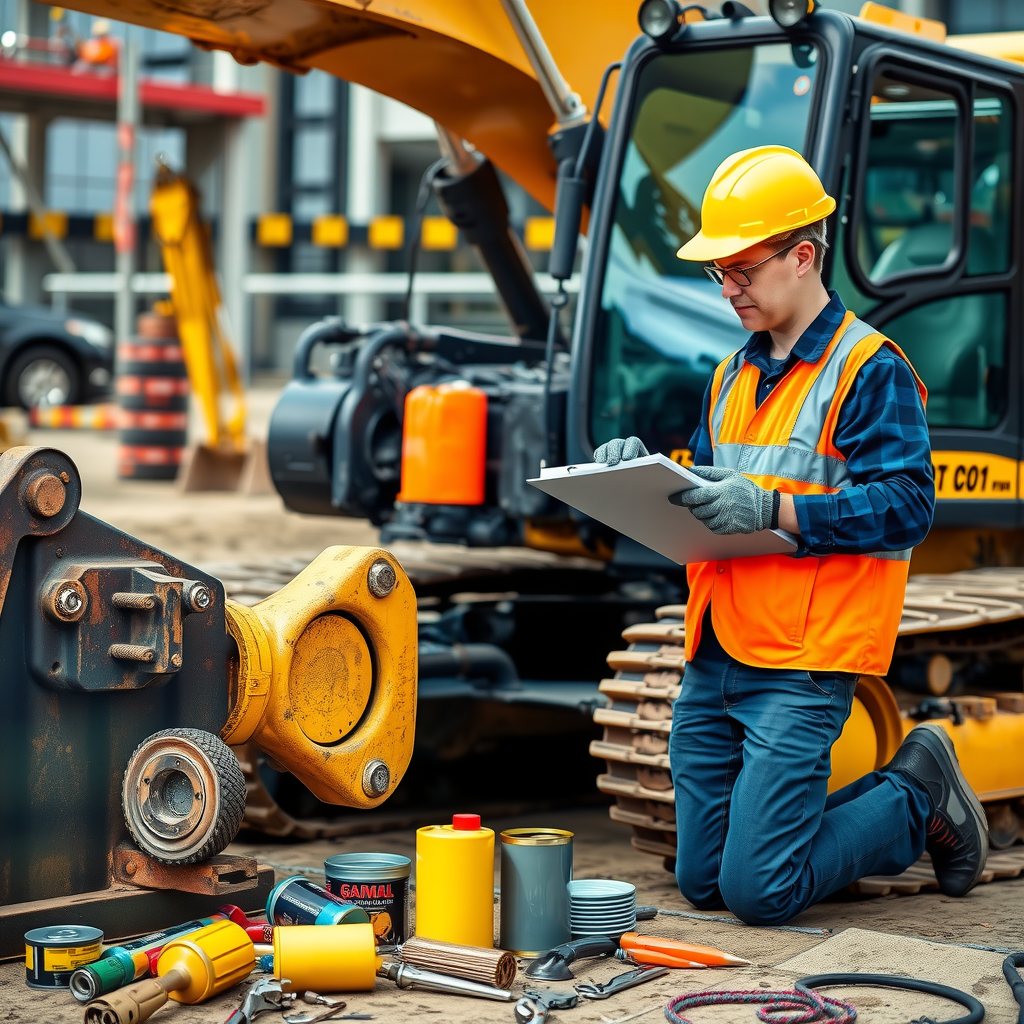
Plant machinery plays a pivotal role in ensuring the efficiency and success of construction projects. Whether you are using new or second-hand plant machinery, regular maintenance is essential to keep your machinery in top-notch condition. Neglecting to care for your plant equipment can lead to unexpected costs and downtime, ultimately affecting your project timelines. In this guide, we will explore essential maintenance tips from industry experts to help you prolong the lifespan of your machinery and ensure it operates at peak performance.
Understanding the Importance of Regular Maintenance
Maintenance isn’t just about fixing issues as they arise; it’s about preventing them in the first place. Regular care of plant machinery can significantly reduce repair costs and enhance safety on your construction site. Furthermore, well-maintained equipment retains its resale value, which is particularly important if you ever decide to explore used plant sales or expected plant equipment for sale. By investing time into a structured maintenance plan, operators can save money in the long run and ensure their machinery continues to meet stringent industry standards.
Daily Inspections: A Must for Every Operator
The foundation of any strong maintenance programme is daily inspections. Before operating any machinery, take a few moments to assess its condition. Look out for visible signs of wear and tear, leaks, and any unusual noises during operation. Check fluid levels, ensuring that oil, coolant, and hydraulic fluids are at appropriate levels. Regularly inspecting machinery not only helps in early identification of minor issues but also keeps the equipment running smoothly. It’s advisable to keep a daily log of these inspections; this data is invaluable when it comes to service scheduling and potential resale later down the line.
Scheduled Maintenance and Servicing
Implementing a regular schedule for maintenance and servicing is essential. Each piece of plant machinery will have a manufacturer’s recommended maintenance schedule which should be adhered to. This will often include routine tasks such as changing oil filters, greasing joints, and replacing air filters. If you source plant equipment from second-hand markets, it’s crucial to obtain a service history to understand the maintenance needs of the machinery, ensuring you can plan adequately. Keeping a well-documented service history can also prove beneficial when considering used plant for sale options if you decide to sell your equipment in the future.
Cleaning Your Plant Machinery
A clean machine is a happy machine. Dirt and debris can affect both performance and longevity. Regular cleaning removes harmful substances such as mud, grime, and corrosion-inducing materials. It also allows for easier inspections, as you’ll be able to see any signs of malfunction. Use a pressure washer to clean the exterior and ensure that all components, particularly those with moving parts, are free of accumulated debris. Be sure to follow manufacturer guidelines to avoid damaging sensitive parts or voiding warranties.
Emphasising Fluid Management
Fluids are the lifeblood of your machinery. Regularly check oil, coolant, and hydraulic fluid levels. Filtration systems should receive regular attention to prevent contamination, which can lead to significant machinery failures. Additionally, investing in high-quality fluids specific to your plant machinery can help enhance performance and can be a crucial factor when searching for plant machinery for sale. Make it a standard practice to replace filters and fluids at the intervals the manufacturer recommends, and always dispose of used fluids in an environmentally friendly manner.
Tire and Track Maintenance
For wheeled and tracked plant machinery, proper maintenance of tires and tracks is vital. Regularly inspect tires for wear and tear, and ensure they are inflated to the manufacturer’s specifications. Uneven wear can also indicate alignment issues or improper loading procedures, so make sure to investigate further if you notice discrepancies. For tracked machines, check the track tension regularly and adjust as necessary to prevent excessive wear and damage. Regular attention in these areas can lead to improved fuel efficiency and performance longevity.
Investing in Quality Parts
When it comes to repairs, always opt for quality parts, especially if using second-hand plant and machinery. Choosing genuine parts or those recommended by the manufacturer ensures compatibility and maintains effectiveness in performance. While it may be tempting to cut costs with cheaper alternatives, this can lead to larger issues down the line and could affect warranties or resale value in used plant sales.
Operator Training and Safety Protocols
One often overlooked aspect of machinery maintenance is operator training. Proper training ensures that the machinery is operated efficiently and safely. Operators should be familiar with preventative maintenance measures and how to conduct daily inspections. Implementing safety protocols not only extends the life of the machinery but also ensures the safety of all personnel on the site. Regular training sessions are critical in instilling a culture of responsibility towards maintaining plant equipment among your workforce.
Keeping Documentation Up to Date
Lastly, keeping thorough documentation of all maintenance and repairs is critical. Not only does it provide valuable information for future servicing, but it also can enhance the resale value of your machinery. Potential buyers of used plant for sale will be more inclined to make a purchase if presented with a comprehensive service history. Ensure that all records are neatly organised, making it easy to retrieve when needed.
By applying these expert maintenance tips, plant machinery operators can ensure their equipment is reliable, safe, and efficient, thus optimising productivity on the job site and maximising return on investment. Proper care and attention not only provide benefits during usage but also enhance the machine’s second-hand value when considering future used plant sales or plant machinery for sale opportunities.