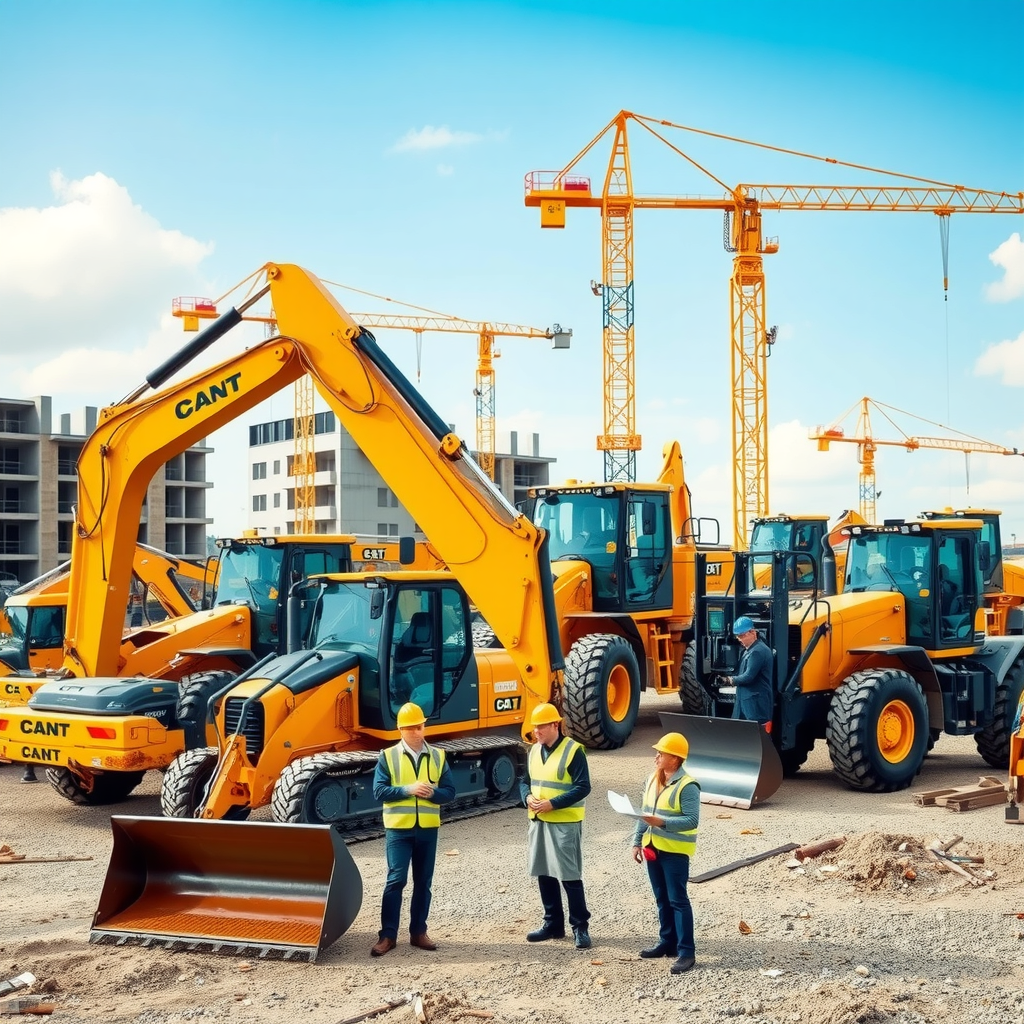
In the fast-paced world of construction, having the right plant and machinery at your disposal can make all the difference in ensuring project success. Whether you’re engaged in a large-scale infrastructure project or a small residential build, opting for quality plant machinery is crucial. Not only does it improve efficiency, but it also impacts safety on the site. With a plethora of options available—ranging from used plant and machinery to rental services—navigating the market can be overwhelming.
This article provides ten essential tips for construction professionals looking to rent plant and machinery. From understanding your needs to assessing rental agreements, these guidelines will help you make informed decisions that will enhance your construction projects.
1. Assess Your Project Needs
Before stepping into the realm of plant and machinery rentals, conduct a thorough assessment of your project needs. What type of machinery do you require? Is it excavation, lifting, or perhaps compacting? Understanding the specific tasks and timelines will enable you to choose the most suitable equipment for your job, ensuring optimal performance and safety.
When it comes to the construction industry, the right plant & machinery can make all the difference in efficiency and productivity. From excavators to bulldozers, having access to high-quality equipment is essential for any project. At SJ Hall Plant, we offer a range of both rental and sale options tailored to your specific needs. Discover our extensive selection and get the best in plant & machinery today by visiting https://www.sjhallplant.com.
2. Compare Rental Options
The market is saturated with providers offering plant & machinery rentals. Take the time to compare various rental companies, focusing on their equipment quality, service offerings, and rental terms. Look for companies that offer a range of options, including second hand plant and machinery for sale, allowing you to explore all avenues before making a decision.
3. Inspect the Equipment
When renting plant machinery, always perform a thorough inspection before signing the rental agreement. Check for any damages or wear that might hinder the performance of the machinery. It’s also advisable to ensure that the equipment is compliant with safety standards. This step can prevent costly downtime and ensure the safety of your workforce.
4. Verify the Provider’s Credentials
It’s critical to deal with reputable rental companies. Check the provider’s credentials, including customer reviews, industry certifications, and insurance coverage. A reliable company will have a robust history of satisfied clients and a solid reputation within the construction industry. This will give you peace of mind as you rent plant equipment for your project.
5. Understand Rental Terms
Each rental agreement will have its unique terms and conditions. Read them carefully to understand the rental duration, fees, and policies regarding damages. Be aware of any hidden costs that may arise during the rental period. This diligence will help you budget appropriately and avoid unpleasant surprises.
6. Consider Delivery and Pickup Options
Efficiency can be greatly affected by logistics. Always confirm whether the rental company will deliver the plant machinery to your site and if there are additional fees for delivery and pickup services. Some providers offer free or reduced delivery/fetch fares, which can make a significant difference to your overall rental costs.
7. Stay Informed About Rental Rates
Awareness of the average rental rates for plant & machinery is essential. Research market pricing for both new and used plant equipment for sale to gauge whether you’re getting a fair deal. Being informed will empower you to negotiate better rental agreements and ultimately contribute to maximising your project budget.
8. Ensure Adequate Training
Renting advanced plant machinery comes with the responsibility of ensuring all operators are adequately trained. Verify that your team is qualified to operate the machinery safely and efficiently. Some rental companies even provide training sessions as part of their rental services, which could be a convenient option to consider.
9. Plan for Maintenance
Plant machinery requires regular maintenance, even during rental periods. Check with your rental provider about their maintenance policies and obligations. Some companies might offer maintenance services as part of the rental agreement, helping you avoid interruptions to your project due to mechanical issues.
10. Explore Long-Term Rental Options
For long-term projects, consider negotiating a long-term rental agreement instead of opting for short-term rentals. This can prove to be more cost-effective in the long run, and rental companies often provide better rates for extended rentals. Additionally, you can develop a rapport with the rental provider, which can lead to more favourable terms and immediate support when needed.
In the competitive landscape of construction, making informed choices regarding plant and machinery rentals can greatly simplify your project’s logistics and overall execution. By following these tips, construction professionals can ensure they are choosing the best options available, whether that means investing in used plant and machinery or taking advantage of flexible rental services for their ongoing projects.